Walls and Ceilings That Handle Steam
Bathroom Painting in Endwell for plaster surfaces that peel from poor prep or ventilation and need bonding primer before fresh coats
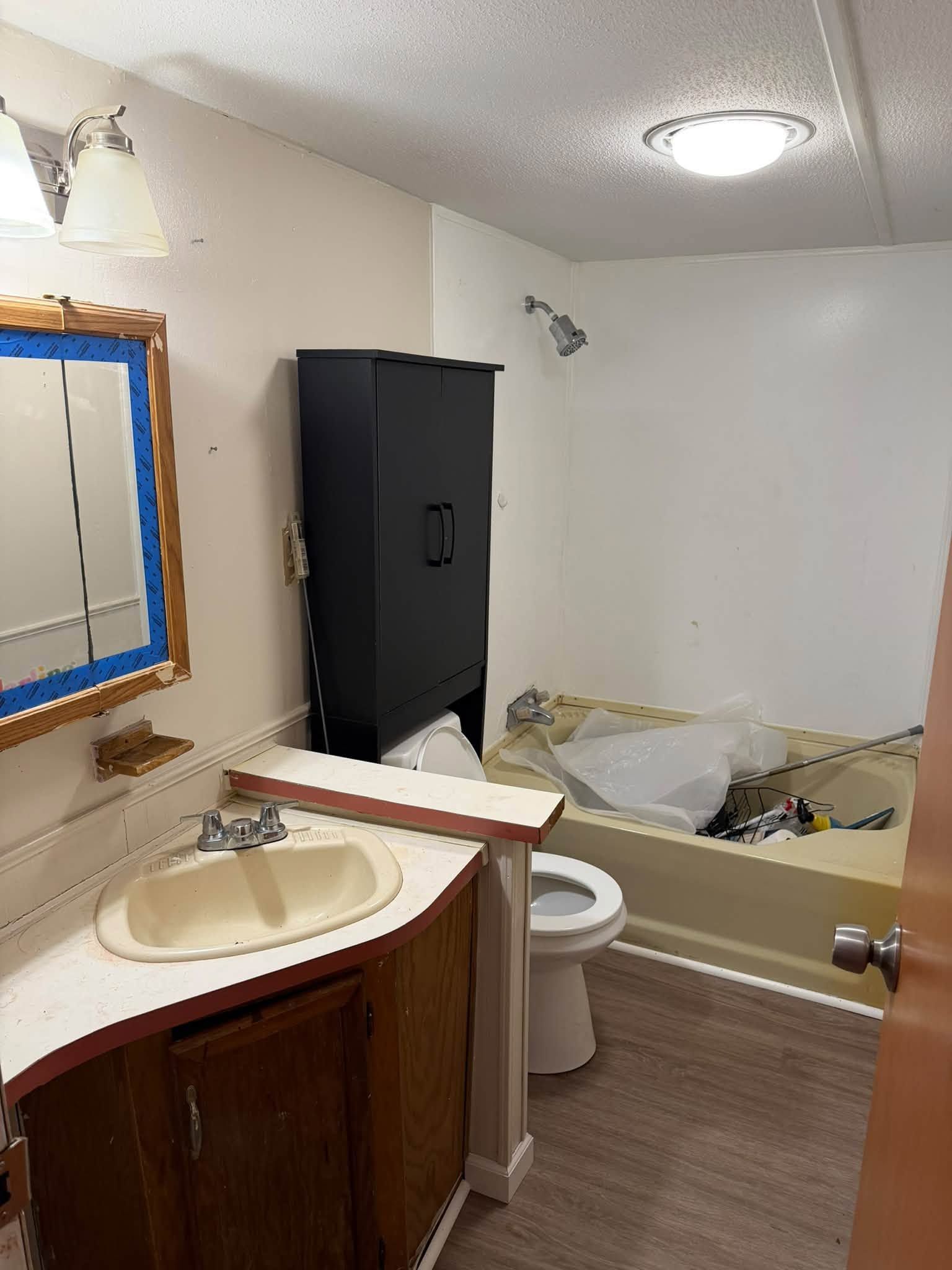
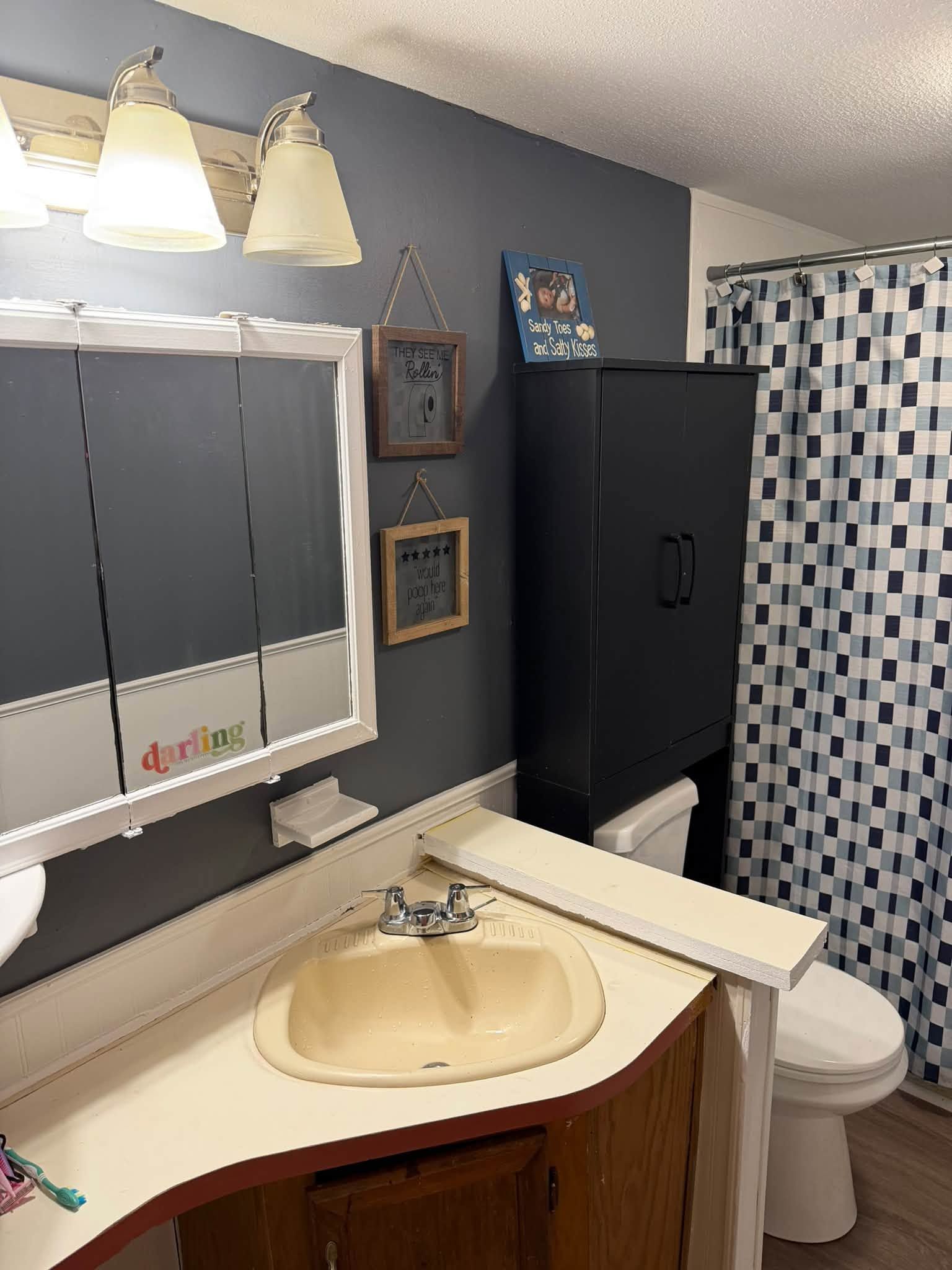
Failing paint in bathrooms throughout older Southern Tier homes usually traces back to poor surface prep or ventilation rather than the paint itself, and plaster walls and ceilings that have been repainted many times require scraping, cleaning and bonding primer before the new finish will hold through years of showers. The crew prepares walls and ceilings thoroughly so the paint bonds in a steamy room and stays clean. Marks Painting & Staining handles bathroom work in Endwell and Johnson City where plaster surfaces and repeated repaints define the prep sequence.
The crew removes or protects fixtures and vanity hardware, scrapes and cleans off peeling paint, repairs any cracked plaster or drywall seams, and applies a bonding primer before two topcoats in a semi-gloss or satin sheen. Ceilings and trim are finished in the same visit, and the room is cleaned after drying. The bonding primer seals the plaster and creates a stable base that resists moisture penetration.
Request a bathroom evaluation to identify surface conditions and ventilation factors.
Why Surface Preparation Matters in Humid Rooms
Bathroom surfaces endure constant moisture cycles, and paint fails when it is applied over unstable layers or without a primer designed to bond to old finishes. The crew scrapes away loose or peeling coats, sands edges smooth, cleans off soap residue and mildew, and primes the entire surface so the topcoat adheres uniformly. Plaster cracks are filled, feathered and sanded before priming.
After the work is complete, walls feel smooth without peeling edges or soft spots, and the finish resists moisture without bubbling near the shower or tub. The paint wipes clean after steam buildup, and the sheen stays consistent across walls and ceiling. Corners and seams around fixtures remain tight and sealed.
The estimate clarifies whether fixtures are removed or masked in place, how many coats are included, and whether ceiling texture is addressed. The crew works around existing ventilation, and recommendations for improving airflow are offered when moisture damage is evident.
Answers About How the Work Is Done
Bathroom painting requires careful attention to moisture, surface history and finish durability, and these questions address the steps that ensure long-lasting results.
How is peeling paint removed before repainting?
The crew scrapes loose paint with a blade, sands the edges of remaining coats to create a smooth transition, cleans the surface with a degreaser, and primes before applying the topcoat so the new finish bonds uniformly.
What primer is used on bathroom plaster?
A bonding primer designed for high-moisture environments is applied over the cleaned and repaired plaster, sealing the surface and preventing the topcoat from lifting when exposed to steam.
Why does paint peel near the shower even after repainting?
Inadequate surface cleaning, skipping primer, or poor ventilation allow moisture to penetrate behind the paint film, breaking the bond and causing the finish to lift or blister over time.
What sheen holds up best in a bathroom?
Semi-gloss finishes resist moisture, mildew and scrubbing better than flat or eggshell, and they clean easily without wearing through to the primer on walls near sinks and tubs.
How are plaster walls in older Endwell bathrooms different from drywall?
Plaster walls are denser and less flexible than drywall, so they crack along stress points and require bonding primer to ensure the new paint adheres to the hard, often glossy surface left by decades of repainting.
Marks Painting & Staining also paints bathrooms in Binghamton, Johnson City, Port Dickinson, Lisle and Chenango Forks. Reach Marks Painting & Staining at (607) 591-4530 to schedule a bathroom surface review.