Walls That Look Whole Again After Damage
Drywall Repair in Whitney Point for holes, cracks and patches that need to blend invisibly
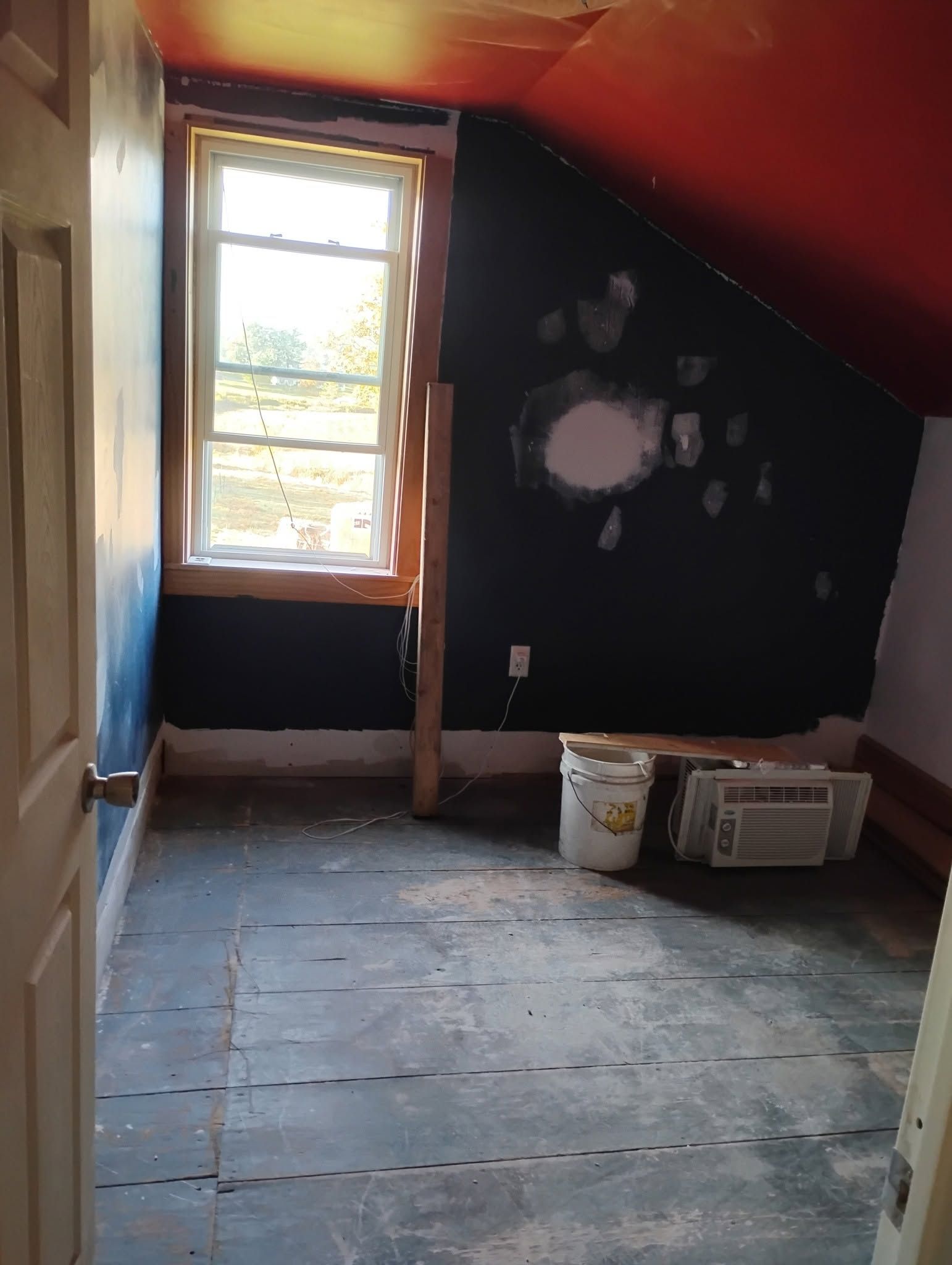
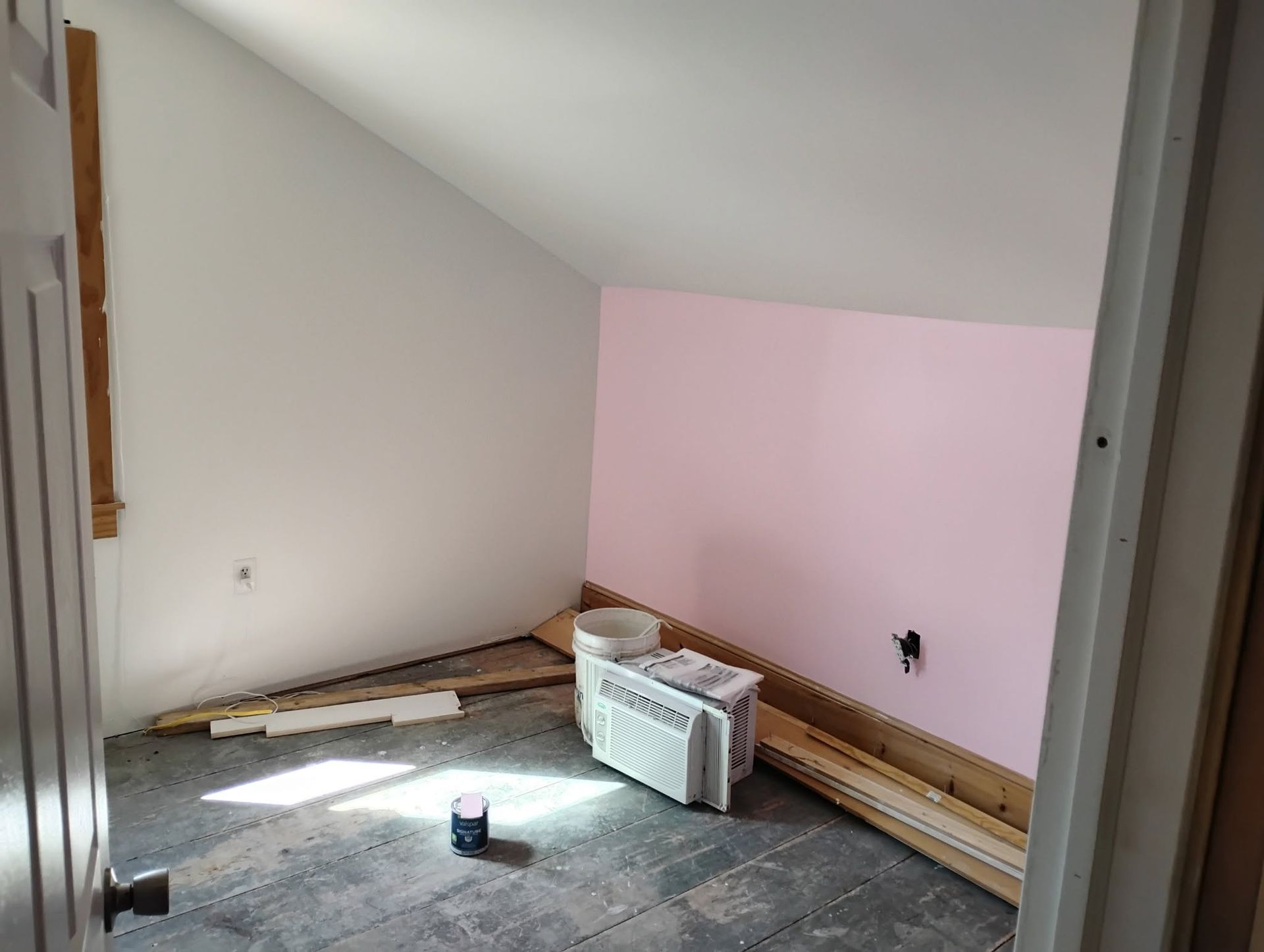
Older homes in the Southern Tier often have plaster and early drywall that has cracked or been damaged over time, and patches need to be feathered carefully to disappear under paint. Marks Painting & Staining patches holes, cracks and damaged areas across Whitney Point with a family crew that sands and finishes so the repair blends with the rest of the wall. You'll notice the problem is gone, not that a patch was made.
Damaged material is cut back to sound edges, then patched with mesh or joint compound depending on the size of the repair, and built up in thin coats. Each coat is sanded before the next, and the area is primed so the paint sheen matches what's already on the wall. The process takes longer than filling and painting in one pass, but it's the only way to make the repair invisible once the work is done.
Schedule a walkthrough to review the damaged areas and discuss the finish you need.
What Proper Patching Requires
The crew cuts back to solid drywall or plaster before any compound goes on, because patching over loose or crumbling edges just creates a new crack line. Mesh tape or backing is used for holes larger than a few inches, and compound is applied in thin layers that are sanded smooth between coats. You won't see a hump or a shadow line when light hits the wall from the side.
Once the compound is flush and sanded, the patched area is primed separately before the final paint coat goes on. Primer seals the repair and prevents the compound from drawing moisture out of the topcoat, which would otherwise leave a dull spot or a different sheen. The crew matches the existing paint sheen—flat, eggshell, or satin—so the repair disappears into the rest of the room.
Larger repairs on plaster walls in Lisle and Whitney Point may require multiple build-up coats and additional sanding because plaster is harder and thicker than modern drywall, and the transition between old and new material has to be feathered over a wider area. The crew checks the surface under raking light before priming to catch any ridges or depressions that would show once the paint is dry.
Questions Before Starting Your Project
Homeowners in Whitney Point and the surrounding area often ask about the repair process before work begins, especially when older plaster walls or larger damaged sections are involved.
What happens if the damaged area is larger than a small hole?
The crew cuts the drywall or plaster back to the nearest stud or solid edge, installs backing or mesh tape, and builds the patch up in layers so it's flush with the surrounding wall before sanding and priming.
How is the patch feathered so it doesn't show?
Joint compound is applied in thin coats that extend several inches beyond the damaged area, and each coat is sanded before the next so the transition is gradual rather than a visible ridge.
Why does the patched area need to be primed separately?
Primer seals the compound and prevents it from absorbing moisture from the topcoat, which would leave a dull spot or a sheen mismatch once the paint dries.
How does patching plaster differ from patching drywall in older homes?
Plaster is harder and thicker than drywall, so the feathering area is wider and more coats are often needed to build the patch flush with the surrounding surface without creating a hump.
What do you check before the final paint coat goes on?
The crew inspects the sanded patch under raking light to catch any ridges, depressions or texture mismatches that would show once the paint is dry, and sands again if needed.
Marks Painting & Staining also patches drywall in Binghamton, Johnson City, Port Dickinson, Lisle and Chenango Forks. Call (607) 591-4530 to arrange an inspection and discuss the finish you need for your walls.