Ceilings Scraped Smooth and Ready to Paint
Popcorn Ceiling Removal in Endwell for older homes where textured ceilings need to come off before the rest of the room is repainted
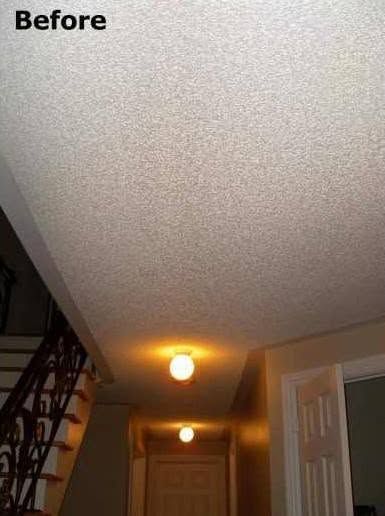
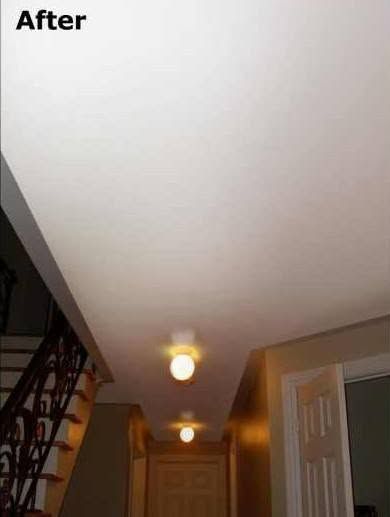
Many homes built in Endwell and Endicott from the 1960s through the 1980s have popcorn-textured ceilings that were sprayed on as a fast finish over drywall or plaster, and removing that texture is often the first step when updating an interior. Marks Painting & Staining handles the removal as part of their interior painting work, scraping the ceiling clean and leaving a smooth surface ready for primer and a fresh coat. The team covers floors and furniture, wets the texture in sections so it softens, scrapes it off without gouging the substrate, and skim-coats any damaged areas before sanding and priming.
The room is sealed off and floors are covered with plastic sheeting to contain the debris, because popcorn texture breaks into fine particles that settle everywhere. The ceiling is wetted with a pump sprayer in manageable sections so the texture absorbs moisture and releases cleanly without requiring heavy scraping that damages the drywall or plaster underneath. Scraped sections are skim-coated with joint compound where the blade left marks or exposed seams, then sanded smooth once dry and primed before any topcoat is applied.
Schedule a ceiling inspection to assess the texture type and confirm whether testing for asbestos is required before removal begins.
What Popcorn Ceiling Removal Actually Accomplishes
Removing popcorn texture involves wetting, scraping, patching and sanding, with each step timed to avoid overwetting the ceiling or scraping too aggressively. Popcorn applied before the mid-1980s sometimes contains asbestos, so testing is recommended in older homes before any work starts.
Once the ceiling is finished, you notice a flat, smooth surface with no visible scrape marks, patches that blend invisibly, and a uniform primer coat that's ready for paint. The room feels more modern and the ceiling reflects light evenly instead of trapping shadows in the texture.
The service includes room protection, wetting, scraping, skim-coating, sanding and priming. It does not include asbestos testing or abatement, which must be arranged separately if the home was built before 1985.
Answers About How the Work Is Done
Removing popcorn ceilings in older homes brings up questions about the process, the mess, and what the ceiling will look like once the texture is gone and the surface is repaired.
How is the texture removed without damaging the ceiling underneath?
The surface is wetted in small sections so the texture softens and releases with light scraping, and the blade is held at a shallow angle to avoid digging into the drywall or plaster.
What happens if the ceiling has damage or seams that show once the texture is gone?
Damaged areas are skim-coated with joint compound, feathered smooth and sanded flush so repairs disappear under the primer and paint.
Why does popcorn texture need to be tested for asbestos in older homes?
Texture applied before the mid-1980s often contains asbestos fibers, and disturbing it without proper containment and disposal creates a health hazard that requires professional abatement.
How much mess does the removal process create?
Scraped texture produces fine dust and debris that coats floors and furniture, which is why everything is covered with plastic and sealed off before the work starts.
How long does it take for the ceiling to dry after skim-coating?
Joint compound typically dries within 24 hours, but thicker patches in older Endwell homes may need extra time depending on humidity and ventilation before sanding and priming can proceed.
The owner has worked in painting since childhood and runs the crew himself alongside his father, brothers and nephew, treating popcorn removal as a prep step in the larger interior painting process. Marks Painting & Staining also removes popcorn ceilings in Binghamton, Johnson City, Port Dickinson, Lisle and Chenango Forks. Call (607) 591-4530 to arrange a ceiling evaluation and discuss testing requirements if your home was built before 1985.