Wood Surfaces Protected and Restored
Deck Staining in Binghamton for weathered lumber that needs color and protection against moisture
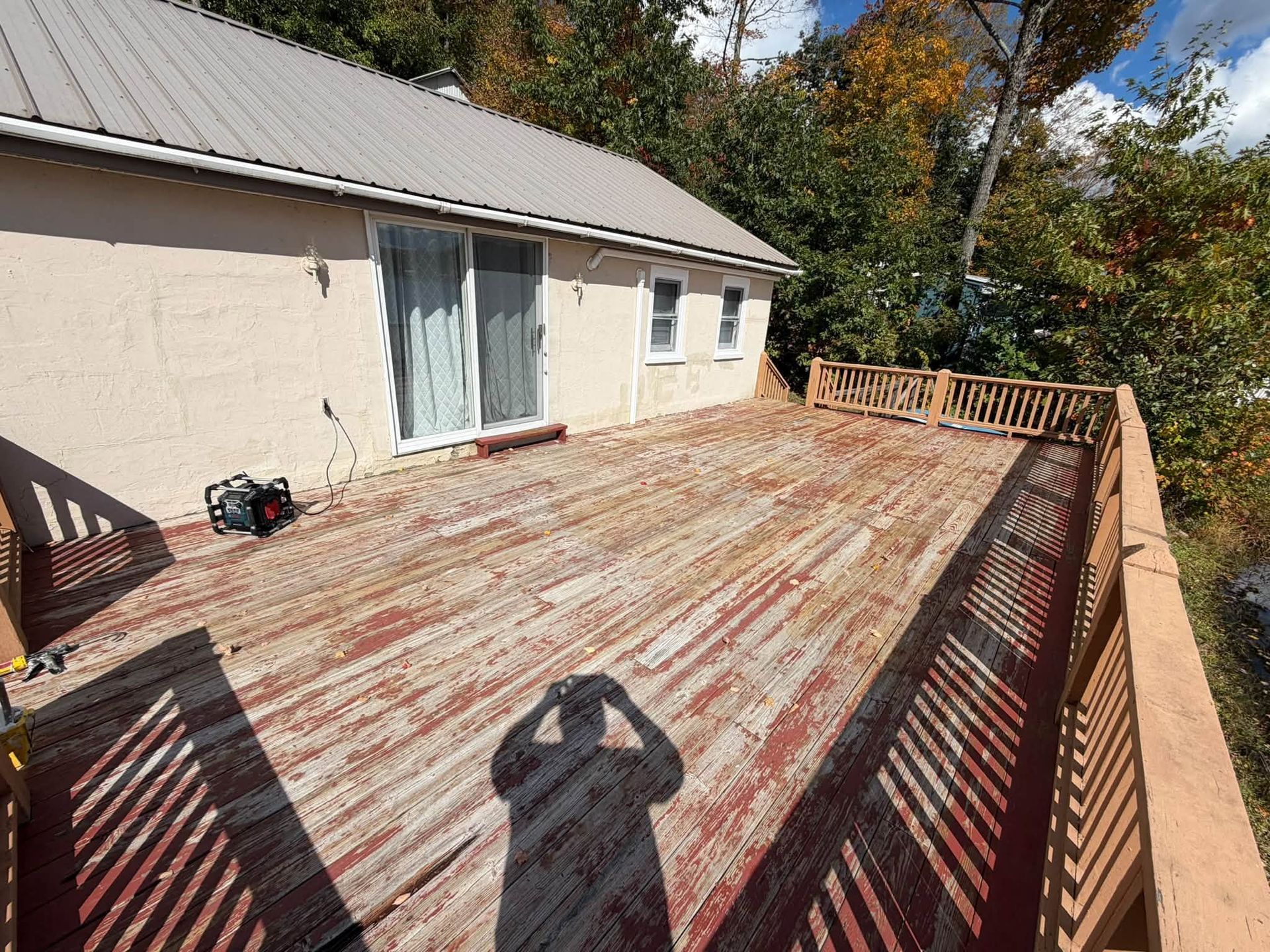
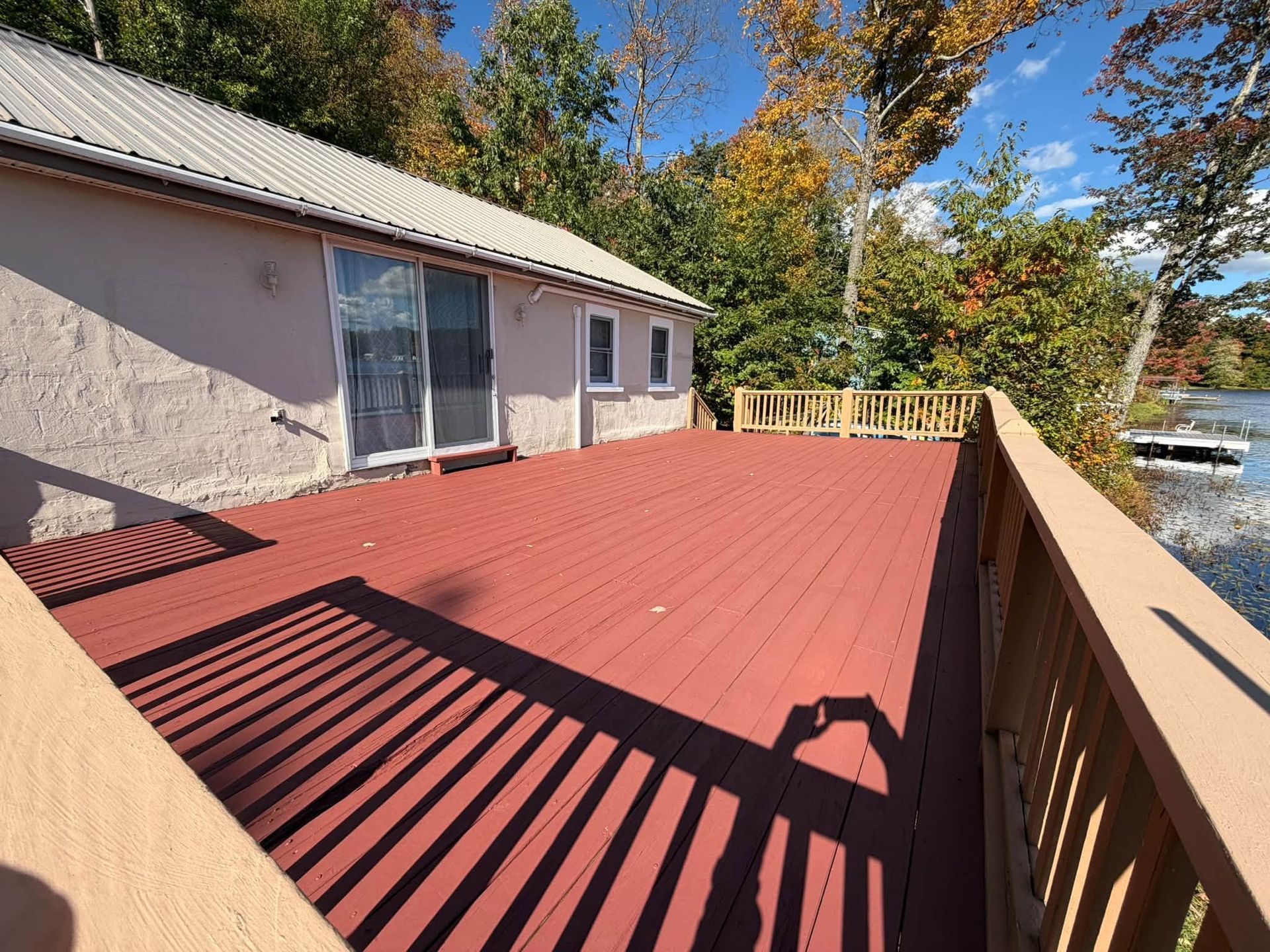
Decks on older homes in Broome and Tioga County often sit on weathered lumber that has gone gray and dry, and a proper stain job depends on stripping and preparing that surface before any color goes on. Marks Painting & Staining stains and restores wood decks across Binghamton, Endicott, Endwell and the wider Southern Tier, with a crew that cleans and preps the boards before applying a penetrating stain or sealer. You'll notice the wood looks rich and even in tone, and the finish lasts longer than a rushed job that skips the prep.
The crew sweeps the deck, pressure washes or scrubs off dirt and old finish, and lets the wood dry fully before applying stain. Loose or damaged boards and fasteners are checked and flagged before staining begins, because stain won't hide structural problems and won't penetrate properly over dirt or mildew. Each coat is applied evenly and allowed to soak in, and a second coat is added where the wood is particularly dry or absorbent.
Arrange an on-site visit to review the deck's condition and discuss stain color and type.
What Changes After Staining Is Complete
Preparation is what separates a stain job that lasts from one that peels or fades within a year. The crew pressure washes the deck to remove dirt, mildew and loose fibers, then lets the wood dry completely—usually several days depending on conditions—before stain is applied. Wet or damp wood won't accept stain evenly, and the finish will blister or peel once moisture works its way back out.
Once the boards are clean and dry, the crew applies a penetrating stain that soaks into the wood rather than sitting on top like paint. The stain protects the wood from sun, moisture and wear, and the color stays consistent across the deck because the surface was prepped uniformly. You'll notice the deck looks freshly milled rather than gray and weathered, and water beads on the surface instead of soaking in and darkening the grain.
Stain type and color depend on the wood species and the level of protection you need. Semi-transparent stains let the grain show through and are popular on cedar and redwood, while solid stains provide more coverage and are often used on pressure-treated lumber or decks with uneven weathering. The crew explains the trade-offs and shows samples before the first coat goes on.
Common Questions About This Service
Homeowners in Endicott, Endwell and across the Southern Tier often ask about the staining process and how to prepare the deck before work begins.
What happens if the deck is already gray and weathered?
The crew pressure washes or scrubs the surface to remove dirt, mildew and loose fibers, then lets the wood dry fully so the stain can penetrate evenly and bond properly.
How long does the wood need to dry after pressure washing?
Drying usually takes several days depending on conditions, and the crew tests the surface for moisture before applying stain to avoid blistering or uneven absorption.
Why does a penetrating stain last longer than a surface coating?
Penetrating stains soak into the wood fibers rather than forming a film on top, so they don't peel or chip as the wood expands and contracts with changes in temperature and moisture.
What should you check before staining an older deck in Binghamton or Endicott?
The crew inspects boards, fasteners and joists for damage or rot, because stain won't hide structural problems and won't adhere properly to unstable or deteriorating wood.
How do you know when the deck needs to be restained?
Water no longer beads on the surface and instead soaks into the wood, or the color has faded unevenly and the grain looks dry and weathered again.
Marks Painting & Staining also stains decks in Binghamton, Johnson City, Port Dickinson, Lisle and Chenango Forks. Call (607) 591-4530 to schedule an inspection and discuss stain options for your deck.