Rooms That Look Finished Correctly
Interior Painting in Binghamton for homes with plaster walls and older trim that need careful prep before a fresh coat looks right
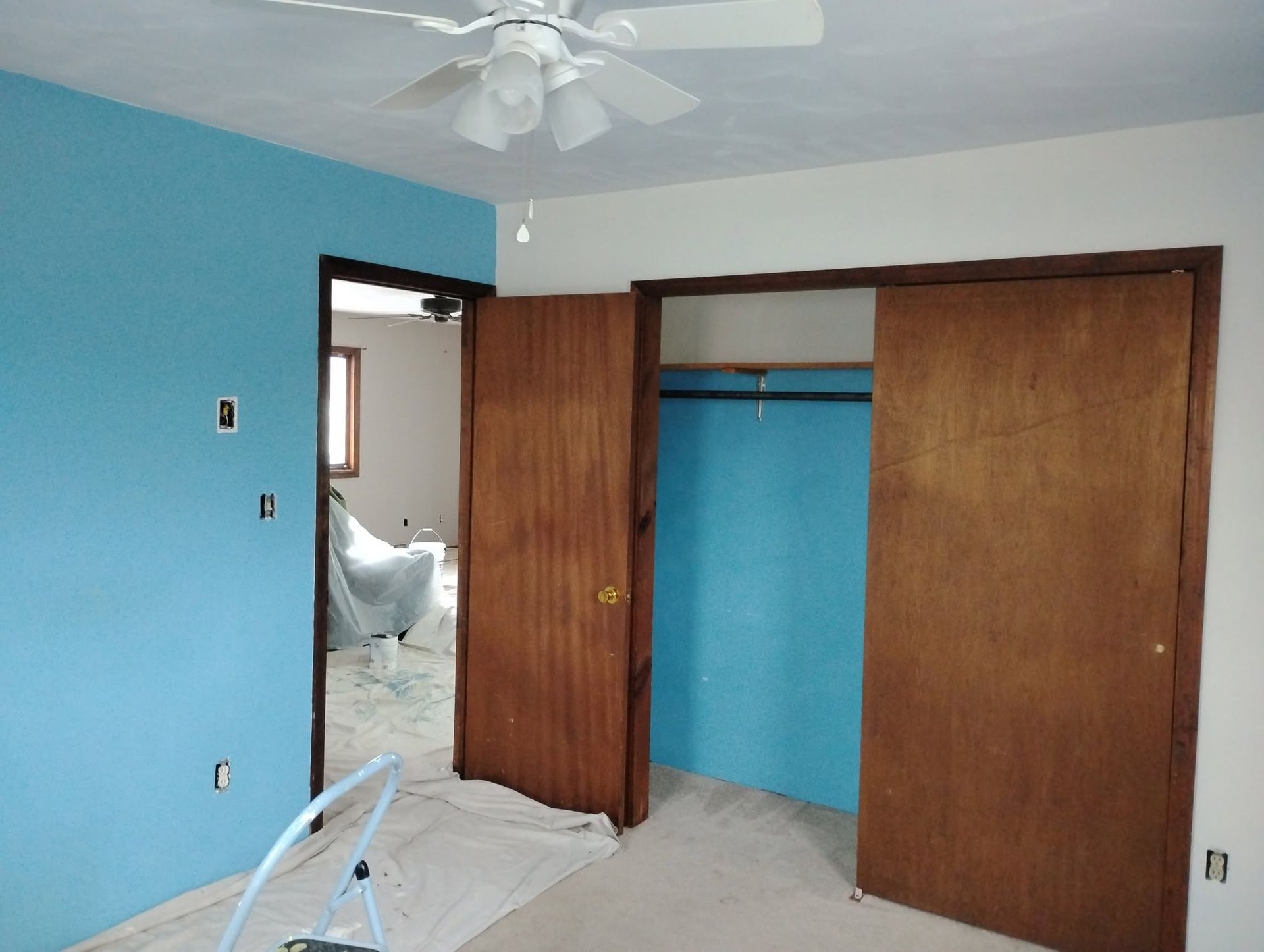
Plaster walls and wood trim built into homes across Binghamton, Endwell and surrounding Southern Tier neighborhoods require surface work before new paint will look smooth and last. Marks Painting & Staining handles interior painting with a family crew led by the owner, who quotes the job and stays on site through completion alongside his father, brothers and nephew. The crew patches cracks, sands uneven sections, primes bare spots and applies finish coats room by room so the home stays usable while the work progresses.
Prep starts with patching damaged plaster and filling nail holes, then sanding everything flush so there are no visible ridges or depressions once paint goes on. Furniture is moved to the center of the room and covered, edges are masked along trim and ceilings, and cutting in is done by hand before rolling the main wall surfaces. The crew works one room at a time to avoid displacing the entire household, and discounts are often available depending on the timing and scope of the project.
Request a detailed estimate based on your current wall condition and the number of rooms being painted.
What Changes After the Painting Is Finished
The work involves patching, sanding and priming wherever the surface is damaged or uneven, then masking trim, outlets and fixtures before applying two finish coats with a roller and brush for clean edges. Older plaster walls common in Binghamton homes often have hairline cracks that need filling and feathering so they don't telegraph through the topcoat.
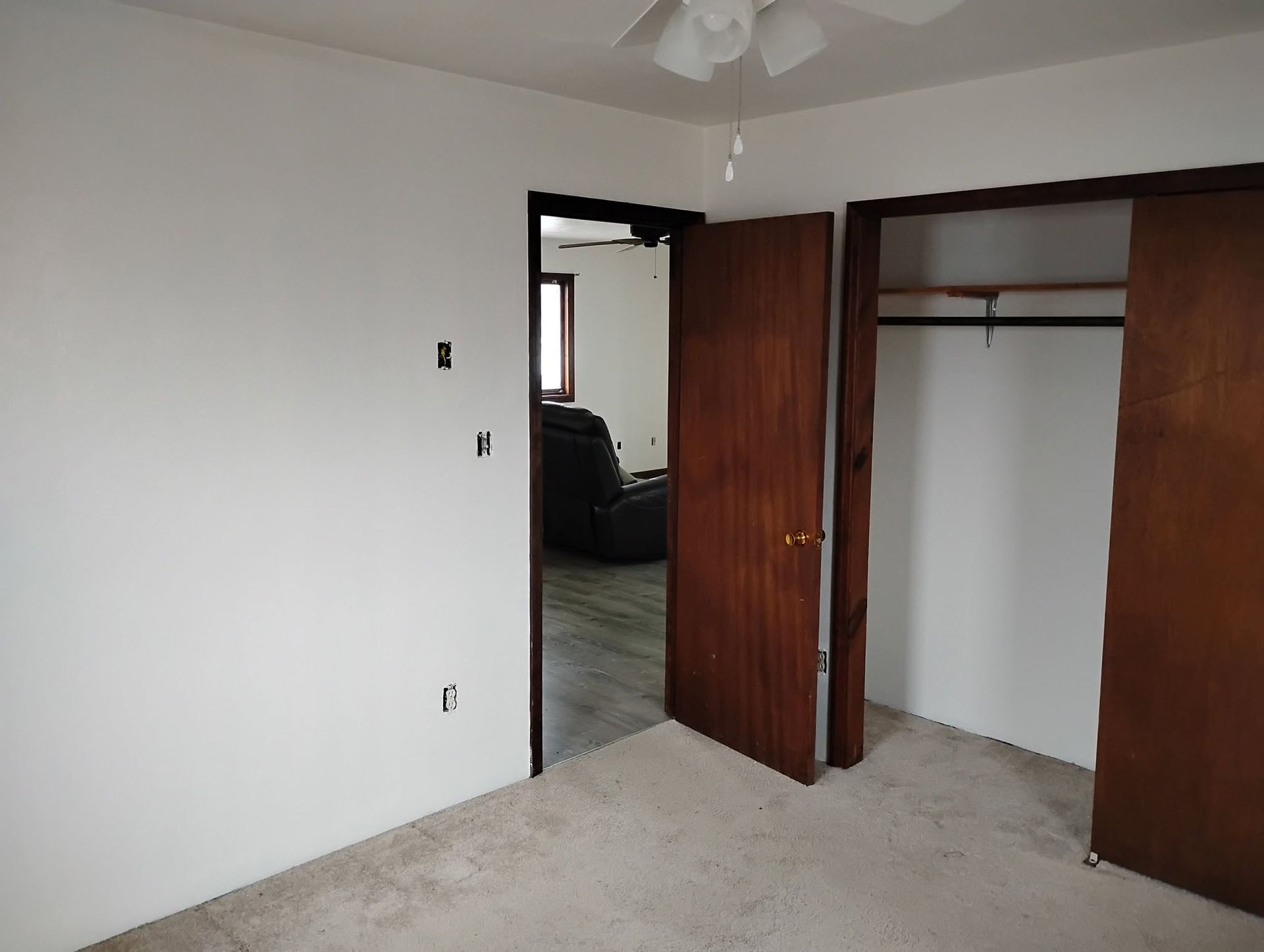
You notice walls with uniform color and sheen, no visible patch marks or brush lines, and crisp edges where the paint meets the trim. The finish lasts longer because the prep work addressed the underlying surface issues rather than covering them over.
The service includes patching, sanding, priming, masking and two topcoats. It does not include wallpaper removal or trim replacement, which are handled separately if needed.
Answers About How the Work Is Done
Interior painting in homes with plaster walls and trim built decades ago involves specific prep steps that newer drywall construction does not require, and understanding those steps helps explain the process and timeline.
What prep work is needed before paint goes on plaster walls?
Cracks are filled with joint compound, high spots are sanded down, and bare plaster is sealed with primer so the topcoat absorbs evenly across the entire surface.
How is furniture and flooring protected during the job?
Smaller items are moved to the center of the room and covered with drop cloths, and floors are protected with canvas or plastic sheeting that stays in place until the final coat dries.
Why does the crew work one room at a time instead of doing the whole house at once?
Working room by room keeps the rest of the home accessible and limits the amount of furniture that needs to be relocated at any given time, which matters in occupied homes.
What does cutting in mean and why is it done before rolling?
Cutting in is brushing a clean edge along trim, ceilings and corners by hand before the roller touches the main wall area, which prevents lap marks and ensures the finish looks deliberate rather than patched together.
How long before you can move furniture back after the final coat?
Most interior latex paints are dry to the touch within a few hours, but it's best to wait 24 hours before replacing furniture so the finish cures without scuffs or impressions.
The owner has worked in painting since childhood and started Marks Painting & Staining around 2017, building the business through referrals and posting completed projects to the company's Facebook page. Marks Painting & Staining also paints interiors in Johnson City, Port Dickinson, Lisle and Chenango Forks. Call (607) 591-4530 to schedule an on-site consultation and review the condition of your walls and trim.