Cabinets, Walls and Trim Ready for Daily Use
Kitchen Painting in Whitney Point for homes with plaster walls, wallpaper residue and popcorn ceilings that need stripping and repair before fresh color
Older Southern Tier homes built in the early twentieth century often have plaster walls, textured ceilings and layers of wallpaper left from earlier decades in the kitchen, and most of those surfaces require stripping, patching and priming before any new paint can bond properly. Marks Painting & Staining prepares kitchen surfaces in Whitney Point and Chenango Forks so the finish coat stays clean through years of cooking, scrubbing and moisture. The crew handles the wallpaper removal, plaster repair and surface prep that define the scope of kitchen work in these homes.
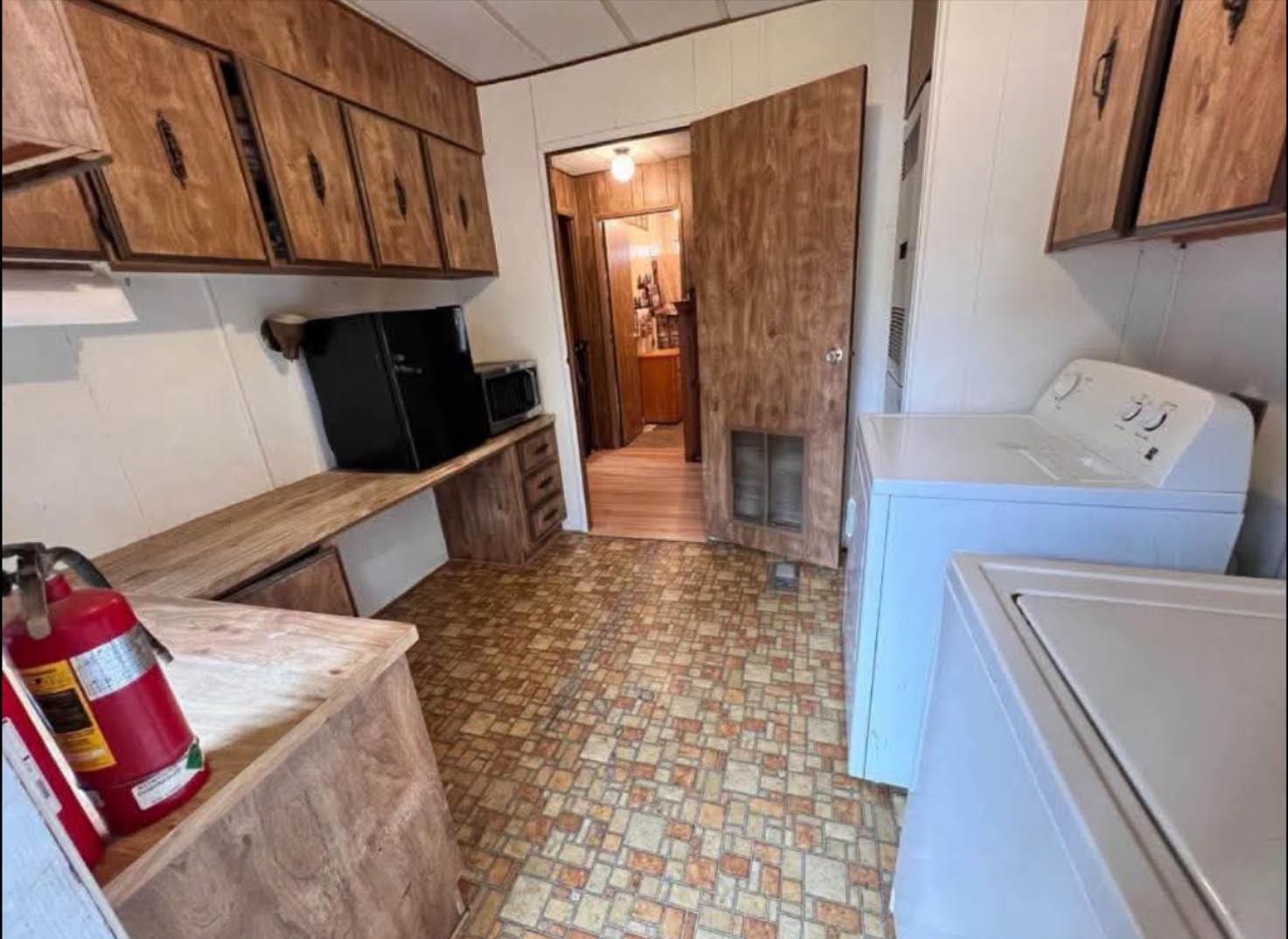
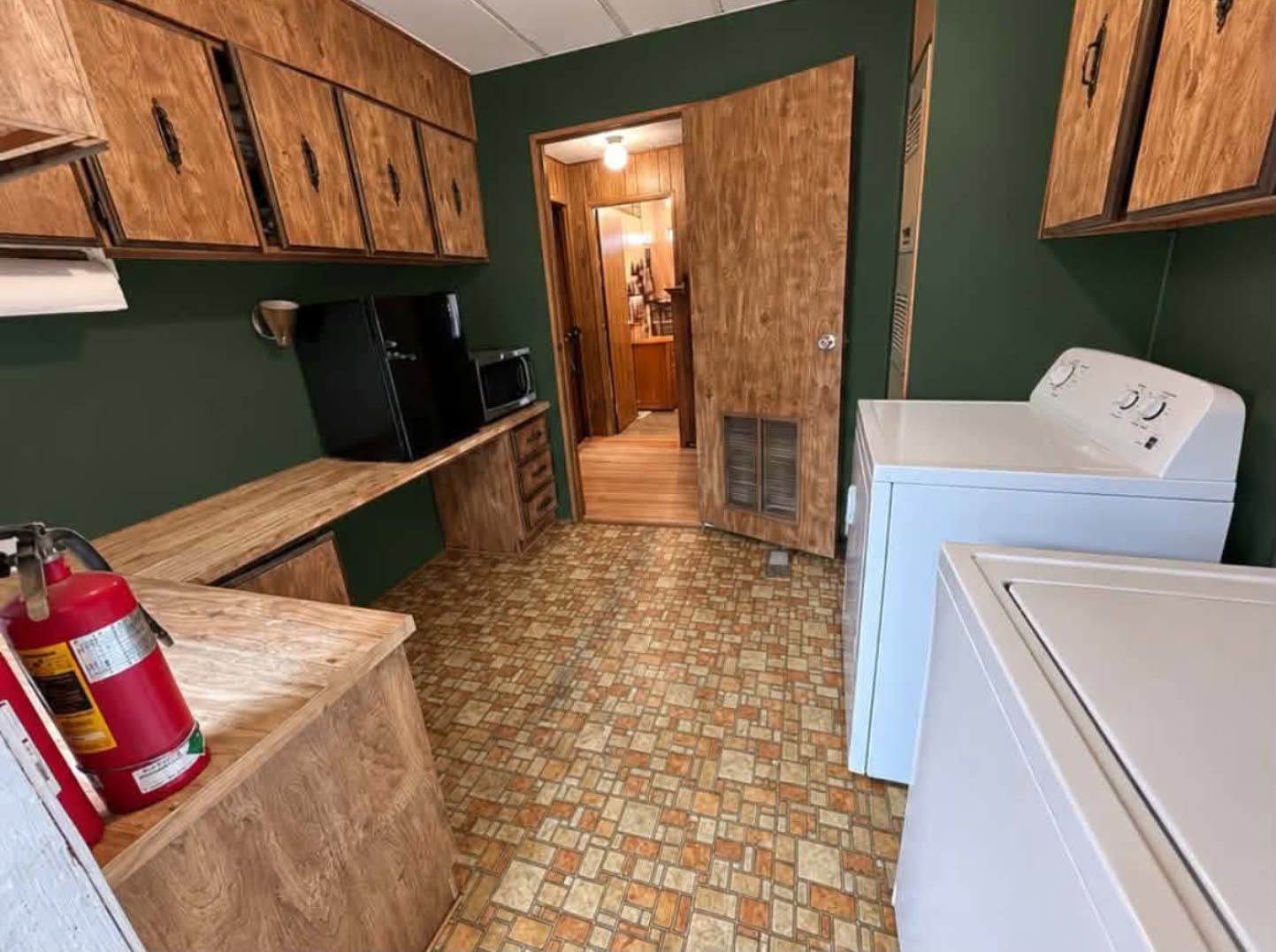
The crew moves furniture away from walls, protects counters and appliances with drop cloths, removes outlet covers and cabinet hardware, and patches holes or cracks in plaster or drywall. Walls are primed where repairs were made or where wallpaper residue remains, then cut in by hand along edges and trim before two finish coats are rolled. Cabinet doors can be painted during the same visit if requested, and the room is cleaned and fixtures reinstalled at the end.
Schedule a kitchen evaluation to review existing surfaces and repair requirements.
What Proper Surface Prep Accomplishes
Kitchen painting in homes from this era depends on removing unstable layers and creating a sound base for the new finish. Wallpaper is stripped, adhesive residue is sanded smooth, and any cracked plaster is patched with compound that cures flush with the surrounding wall. Priming those areas seals the repair and prevents texture differences from showing through the topcoat.
Once the work is finished, walls appear smooth and consistent without visible patch lines, wallpaper edges or peeling texture. The finish coat resists scrubbing around the stove and sink, and the paint holds up where cabinets meet walls. Corners stay crisp, and the sheen stays even under kitchen lighting.
The estimate specifies how many coats are included, whether trim and doors are part of the scope, and what surfaces require priming. Cabinet painting is quoted separately if requested, and the crew coordinates timing so the kitchen remains usable overnight when possible.
Questions Before Starting Your Kitchen Project
Kitchens in older homes present distinct prep challenges, and understanding how the work proceeds helps you plan around the schedule and set expectations for the finish.
What happens if wallpaper is still on the kitchen walls?
The crew strips the wallpaper, scrapes off adhesive residue, sands the surface smooth, and primes before painting so the new finish bonds directly to the plaster without bubbling or peeling later.
How are plaster cracks and holes repaired before painting?
Cracks are cleaned out, filled with joint compound, feathered smooth with surrounding surfaces, and sanded flush once dry, then spot-primed so the repair does not show through the topcoat.
Why does kitchen paint fail more often than other rooms?
Poor surface prep, inadequate priming over patches or wallpaper residue, and moisture from cooking without proper ventilation cause the finish to lift or discolor over time.
What sheen works best for kitchen walls?
Semi-gloss or satin finishes resist grease, moisture and scrubbing better than flat paint, and they wipe clean without wearing through to the primer on high-traffic surfaces.
How long does kitchen painting take in a typical Southern Tier home?
Most single-kitchen jobs require one to two days depending on the amount of wallpaper removal, plaster repair and the number of coats, with drying time between primer and finish coats determining the schedule.
Marks Painting & Staining also paints kitchens in Binghamton, Johnson City, Port Dickinson, Lisle and Chenango Forks. Contact Marks Painting & Staining at (607) 591-4530 to arrange an on-site estimate and review your kitchen surfaces.